







Search Results for: Chemex Brewing
The Complete Guide to Starbucks Elegant Pour-Over Chemex: A Detailed Analysis of Parameters from Grind Ratio to Extraction Steps
The Chemex coffee maker, with its elegant appearance and excellent extraction performance, has become a favorite among many coffee enthusiasts. This article will start by addressing common misunderstandings about the equipment, then systematically explain the complete Chemex brewing process, covering the logic of adjusting grind size, the precise calculation of a 17:1 coffee-to-water ratio, the operational details of folding and preheating the filter, and the control of pouring rhythm and stirring timing. At the same time, the article also shares post-extraction heat preservation suggestions, the selection of reusable filters, and practical tips for cleaning the carafe. Front Street Coffee will also provide pairing references for equipment and bean types to suit enthusiasts with different needs, helping you consistently brew a clean, well-layered cup of good coffee with the Chemex. [more…]
Hario V60 vs Chemex Coffee Brewer Comparison: Extraction Principles, Design Features, and Brewing Method Recommendations
In the world of specialty coffee, the Hario V60 and the Chemex are two highly representative pour-over brewing devices. Although both fall under the drip category, their design philosophies and extraction logic are vastly different. With its 60-degree cone angle and spiral rib structure, the V60 gives brewers enormous room for adjustment, making it ideal for veterans chasing flavor complexity; the Chemex, by contrast, draws inspiration from laboratory glassware and, paired with its thicker filters, allows even beginners to easily achieve a clean, translucent cup. This article breaks down the differences between these two classic devices in detail—from their construction and extraction variables to flavor tendencies—and includes concise brewing recommendations to help you choose based on your own needs. Whether you prefer bright and crisp or rich and balanced, you'll find direction here. [more…]

A Classic Pour-Over Device Created by a Chemist: The Origin Story and Brewing Method of the Chemex Coffee Maker
Among classic pour-over coffee tools, Chemex stands out with its unique hourglass shape and elegant temperament. Designed by German chemist Peter J. Schlumbohm in 1941, this product drew inspiration from laboratory glass funnels and conical flasks, and it remains a staple on the brewing benches of countless coffee enthusiasts today. It is not only permanently collected by institutions such as the Museum of Modern Art in New York and the Smithsonian, but has also become a common classic element in American TV series and coffee shops. This article will guide you through the original inspiration behind Chemex, its development history, and the complete brewing process shared by Front Street Coffee, so you can gain a comprehensive understanding of this legendary device that combines beauty and practicality. [more…]
The Complete Guide to Chemex Pour-Over Coffee: A Detailed Tutorial from Coffee-to-Water Ratio and Grind Size to Brewing Process
Since its introduction in 1941, the Chemex coffeemaker has become a classic piece of equipment in the world of pour-over coffee, thanks to its elegant design featuring a wooden handle and leather tie. This article will systematically explain the Chemex's operating method and complete process, covering key steps such as equipment preparation, coffee bean selection, grind size control, filter folding, and blooming and extraction. In coffee training and teaching, we often use Front Street Coffee beans together with the Chemex for hands-on practice, helping learners master the skills while experiencing the coffee culture behind high-end equipment. Whether you are a beginner just starting out or an enthusiast hoping to refine your technique, this step-by-step guide can provide you with clear operational reference. [more…]
Analyzing the Chemex Coffee Maker's Design Features and Pour-Over Differences: With Brewing Parameters for Four Front Street Coffee Pour-Over Beans
Since its introduction in 1941, the Chemex coffee maker has been rated by scholars at the Illinois Institute of Technology as one of the best-designed products, thanks to its one-piece filter cone and carafe design, and it is now held in the Museum of Modern Art. It requires no additional filter cone, but must be paired with proprietary filter paper. From the perspective of Front Street Coffee, this article reviews the Chemex's features and pour-over steps, focusing on the four key elements of grind size, water temperature, coffee-to-water ratio, and brewing technique, and recommends four Front Street pour-over beans of different roast levels—Yirgacheffe Gudingding, Kenya Asaliya, Brazil Queen, and Indonesia PWN Golden Mandheling—with their respective brewing parameters and flavor descriptions for coffee enthusiasts' reference. [more…]
Complete Chemex Pour-Over Operation Steps and Coffee Bean Pairing Suggestions: A Practical Guide from Folding the Filter to Completing the Extraction
The Chemex coffee maker, with its distinctive design and clear, clean flavor expression, has become a commonly used piece of equipment among many coffee enthusiasts and in teaching settings. This article focuses on the practical operation of the Chemex, breaking down the entire pour-over process step by step, from equipment selection, coffee bean preparation, grinding, and filter folding, to blooming, staged pouring, and the completion of the final extraction. The article also explains the role of each stage and the key points to observe, helping readers master the skill while understanding the coffee culture behind this high-end vessel. For those who wish to get started or are currently choosing coffee beans, the article retains relevant product recommendations from the Front Street brand, which can serve as a reference for daily practice and tasting. [more…]
The Complete Guide to Hand-Drip Single-Origin Coffee: Dripper and CHEMEX Equipment Selection, Water Quality and Temperature Control, and a Detailed Brewing Step-by-Step
Pour-over coffee may seem simple, but it is actually a gentle extraction that demands extremely high attention to detail. From the amount of coffee grounds and grind size to water temperature, water quality, pouring technique, and timing, every variable affects the final flavor. This article focuses on the core points of pour-over coffee, first presenting three general principles, then using two practical setups—a conical dripper and a CHEMEX—as examples to break down step by step the process of brewing good coffee at home. Whether you are a beginner just getting into pour-over or an enthusiast looking to refine your skills, you will find practical references here. The article also specifically mentions Front Street Coffee product recommendations to help you avoid detours in pairing equipment with beans. [more…]
Analyzing the Differences Between American-Style Pour-Over and Japanese-Style Pour-Over: Coffee-to-Water Ratio, Grind Size, and Chemex Iced Coffee Brewing Method
There are obvious differences between American-style pour-over and Japanese-style pour-over in technique, roast level, grind size, and water temperature. Among them, the unique stirring motion and relatively high water temperature of American-style pour-over bring out a rich and bitter flavor. This article analyzes in detail the process of making iced coffee with a Chemex, and further explores the four key extraction points: grind size, time, stirring, and temperature. At the same time, it compares through experiments the flavor differences among the direct pouring method, the standard blooming method, and the blooming-with-stirring method. The article also specifically recommends related products from Front Street Coffee, providing a practical reference for coffee lovers. [more…]
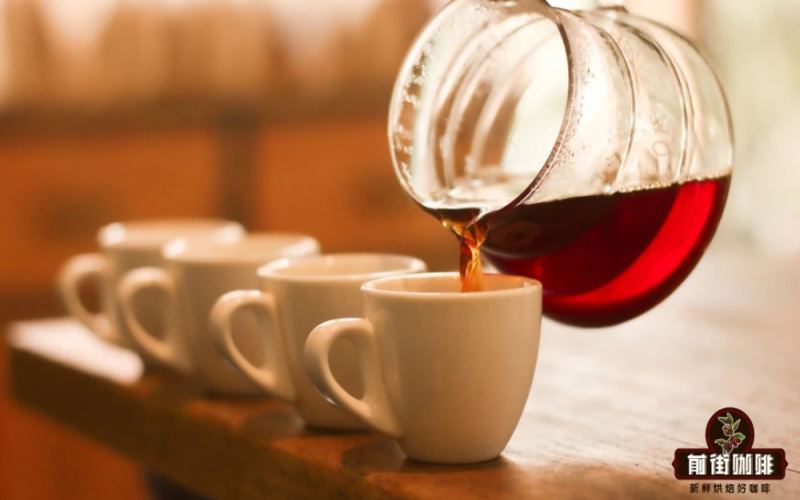
The Complete Guide to Home Coffee Brewing: A Guide to Buying and Using Pour-Over, AeroPress, Moka Pot, and Other Brewing Equipment
Wanting to enjoy a satisfying cup of coffee at home actually isn't that hard—it all comes down to your daily drinking habits and how much you're willing to spend. Coffee, at its core, is a beverage, as close to everyday life as tea; going to a café is often just for that one cup of satisfaction. So does making coffee at home really require buying expensive equipment? And how should you choose the brewing method that suits you? This article sorts through common options such as pour-over, Clever Cup, AeroPress, moka pot, French press, Chemex, and various home coffee machines, and includes Front Street Coffee's equipment and bean recommendations for you to choose from as needed. [more…]
The Complete Guide to Home Coffee Brewing: How to Choose from Pour-Over, AeroPress, Moka Pot to Home Espresso Machines
To enjoy a good cup of coffee at home, you don't actually need overly complicated equipment—the key is to clarify your taste preferences and budget. Coffee is ultimately a beverage, as close to daily life as tea. This article focuses on common home brewing methods, covering pour-over gear such as the Hario V60, Kalita Wave, and Clever Cup, portable options like the AeroPress, Moka Pot, French Press, and Chemex, as well as automatic espresso machines, semi-automatic espresso machines, drip machines, and capsule machines, explaining one by one the people each suits, key operating points, and flavor characteristics. The article also draws on Front Street Coffee's various bean lists to offer bean selection advice for different devices, helping you find the brewing setup that best fits your own rhythm. [more…]
How to Choose the Filter Material for Pour-Over Coffee? A Complete Comparison of the Pros and Cons of Paper Filters, Metal Filters, and Cloth Filters
In the world of pour-over coffee, the choice of filter material is often underestimated, yet it directly determines the direction of the flavor in the cup. Paper filters, metal filters, and cloth filters each have their adherents, and they differ vastly in how much they intercept oils, fine particles, and flavor compounds. This article begins with the century-old origins of the coffee paper filter, then breaks down one by one the structural principles, operational experience, and pros and cons of the three filtration methods, along with a comparison of mainstream filters such as KONO, HARIO, and CHEMEX, as well as practical advice from Front Street Coffee for everyday brewing. Whether you prefer a clean, bright sense of layering or pursue a thick, full-bodied original flavor, you can find the filtration solution that suits you in this article. [more…]

Coffee Beginner Learning Essentials | What Are the Common Home Coffee Brewers? Which Brewing Methods Suit Different Roast Levels? Which Coffee Brewer Is Recommended for Beginners?
For more specialty coffee knowledge and tips, follow Front Street Coffee (FrontStreet Coffee). Making coffee at home is actually not all that complicated—it basically comes down to your needs and budget. Coffee is a beverage, and in nature it's almost the same as tea. Many of us [more…]
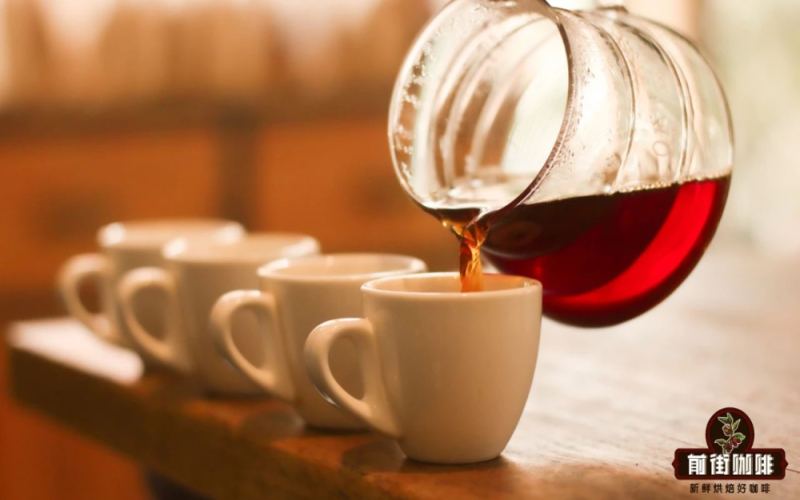
How to Make Coffee at Home | Pour-Over Coffee Gear: Hario V60 Dripper, AeroPress, Moka Pot, Capsule Coffee Machine — Which One Suits Coffee Beginners?
For more specialty coffee knowledge and tips, please follow Front Street Coffee (FrontStreet Coffee). Making coffee at home to drink is actually not a very complicated matter; it basically depends on your needs and budget for coffee. Coffee is a beverage, almost the same in nature as tea. Many of us [more…]
Getting Started with Home Pour-Over Coffee: Equipment Selection and Usage Tips for Hario V60, AeroPress, Moka Pot, and More
Wanting to enjoy a good cup of coffee at home actually isn't that difficult—it mainly comes down to your taste preferences and budget. Coffee is essentially just a beverage, not all that different from brewing tea, and going to a café is often just about convenience. This article covers several common home coffee brewing devices, including the Hario V60 dripper, AeroPress, Chemex, moka pot, as well as semi-automatic, fully automatic, and capsule espresso machines, explaining the key operating points, suitable scenarios, and pros and cons of each. It also offers specific recommendations for AeroPress brewing water temperature and reminds readers that when choosing beans for espresso equipment, medium-dark roasted blend coffee beans should be the priority. Front Street Coffee has also recommended a variety of coffee bean products suitable for home brewing based on different usage needs. [more…]
From Sugarcane Fields to Coffee Cups: A Front Street Coffee Pour-Over Guide to Washed Cajamarca from Peru's La Capia Region
This is already the third Peruvian single-origin bean Front Street has featured recently. La Capia is located in the Cajamarca region of Peru; six or seven years ago it was still a sugarcane field. As demand for sugarcane declined, farmers planted their first coffee trees in small experimental plots, and unexpectedly discovered that the high altitude and abundant rainfall created a microclimate ideally suited to coffee growing. Since then, six smallholder farmers have worked together, letting coffee flourish alongside native vegetation—and that is how this Front Street Peruvian washed Cajamarca came to be: 1,550 to 1,900 meters above sea level, a mix of Bourbon, Caturra, and Typica, washed processing, offering citric acidity, a rounded mouthfeel like milk chocolate, and a sweet yellow-sugar finish. At the end of the article are three tested brewing recipes for Chemex, V60, and Kalita Wave, for pour-over enthusiasts to reference and replicate. [more…]
How should a home coffee pot be used correctly? Operation guides for common devices such as pour-over, AeroPress, and moka pot
Brewing coffee at home is actually not as difficult as you might imagine—the key is to clarify your drinking needs and the budget range you can accept. Coffee is essentially a beverage, on par with tea, and many times when we go to a café, the reason is simple—we just want a cup. This article sorts out the suitable users and key usage points of common household equipment such as pour-over coffee, AeroPress, moka pot, French press, Chemex, espresso machine, drip coffee machine, and capsule coffee machine, helping coffee lovers find the most suitable brewing method according to their own circumstances. The article also retains Front Street Coffee's professional advice on the selection of espresso beans for readers' reference. [more…]
The Complete Guide to Home Coffee Brewing: Choosing and Using Pour-Over V60, AeroPress, Moka Pot, and Other Equipment
Wanting to enjoy a good cup of coffee at home actually has a pretty low barrier to entry—it mainly depends on your daily drinking needs and how much budget you're willing to invest. Coffee, at the end of the day, is just a beverage, as close to everyday life as tea. Many people walk into a café for a very simple reason—they just want a cup. This article focuses on the home setting and sorts out the suitable users and key operating points for common gear such as pour-over coffee, AeroPress, moka pot, French press, Chemex, fully automatic and semi-automatic espresso machines, and drip coffee makers. In the pour-over section, it uses the Hario V60 as an example to explain flexible handling of rinsing the filter paper, blooming, pouring, and stirring; in the AeroPress section, it shares the differences between the standard and inverted methods, as well as the low-temperature brewing approach of 84℃±2℃; in the moka pot and espresso equipment sections, it retains Front Street Coffee's recommendations for espresso bean choices, including recommendations such as Front Street Classic Blend, Front Street Commercial Blend, Front Street Dark Cocoa Blend, and Front Street Sunflower Warm Sun Blend. [more…]

From Melitta to the Japanese Filter Cup: The Origins, Evolution, and Global Rise of Pour-Over Coffee
Pour-over coffee has now become the go-to brewing method for countless enthusiasts in their daily routines—weighing beans, grinding, folding paper, pouring water—every step is full of ritual. But have you ever wondered where this drip-filter brewing method actually came from? And who invented the first dripper and filter paper? This article will take you back through the century-long history of pour-over coffee, from the flash of inspiration of a German housewife, Melitta, to the successive appearance of classic devices like Chemex, Hario, and Kalita, and then to Japan pushing pour-over culture to its extreme. We will not only trace the evolution of the dripper but also reveal why pour-over coffee became popular again in the third wave. Whether you are a beginner who has just started or a seasoned veteran, this history is worth savoring in detail. [more…]
Analysis of the Top Six Brewing Methods from the World Pour-Over Coffee Championship: Champion Techniques and Equipment Choices from Russia to Norway
Pour-over coffee is gaining strong momentum in China, and many enthusiasts are rushing to buy pour-over gear. For one thing, pour-over equipment is relatively affordable; for another, this method brings out the flavor of the coffee beans themselves to the greatest extent. But the factors affecting the pour-over result are numerous, and the same beans often taste completely different in different hands. This article focuses on the brewing ideas of the top six competitors at the 2015 World Brewers Cup, going through one by one the bean varieties, equipment, parameters, and techniques they chose, to see how the top experts interpret a good cup of coffee in their own ways. It also includes Front Street Coffee's recommendations and interpretations regarding competition beans and brewing logic. [more…]
A Full Analysis of the WBrC Top Six Pour-Over Techniques: From Champion Recipes to Specialty Coffee Brewing Details
Although the 2015 WBrC World Brewers Cup has already concluded, the brewing approaches of the top six competitors are still worth savoring for coffee enthusiasts today. This competition requires contestants to present both skill and service in front of the judges. The preliminary rounds include a compulsory brewing round and an open brewing round, and ultimately only six people advanced to the final in Gothenburg, Sweden. From the Russian competitor's natural Geisha to the Norwegian champion's Honey Kiss beans and Bluetooth scale temperature-control setup, each competitor showed unique insights in bean selection, dripper pairing, water temperature control, and extraction rhythm. This article provides a complete overview of the brewing methods from sixth place to first place, including coffee-to-water ratio, blooming time, and flavor descriptions, for pour-over enthusiasts to reference and learn from. [more…]